The Real Reason OP Protagonists Are So Popular
You turn on an anime where a guy just slices through all of it—sometimes literally—and something deep inside you exhales.

People love to theorize about why overpowered characters work. You’ve heard all the arguments—“it’s power fantasy,” “it’s escapism,” “it’s lazy writing.” But when I think about why OP protagonists hit so hard, especially as adults, it’s none of those things. It’s something more grounded, more emotional. Something I feel every time I sit down to write or watch a new show.
When you’re a kid, you spend your life being told what you can’t do. Then you grow up and find out adulthood isn’t much different. There’s always someone above you, some system in the way, some wall you weren’t warned about until you ran face-first into it. Most of life is a series of small limiters that add up. And then you turn on an anime where a guy just slices through all of it—sometimes literally—and something deep inside you exhales.
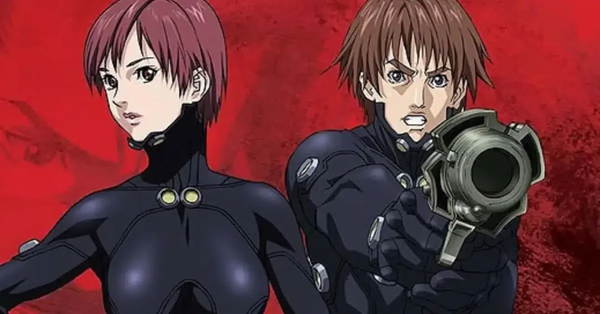
That’s why characters like Saitama resonate. Not because he’s strong, but because the world keeps trying to make things complicated and he refuses to play along. He sees a problem, he deals with it, and then he goes home to microwave dinner. Watching him feels like unclenching a muscle you didn’t know you were flexing. Ainz Ooal Gown does the same thing in a different flavor—the man drops into a new world with a million unknown variables, and instead of drowning in them, he takes ownership of everything in sight. Even Anos Voldigoad, with his smug smile and “rewrite reality if I feel like it” attitude, taps into that same pulse. When someone tells Anos he’s unworthy, he doesn’t crumble or argue or beg. He just keeps being exactly who he is until the world’s forced to keep up.
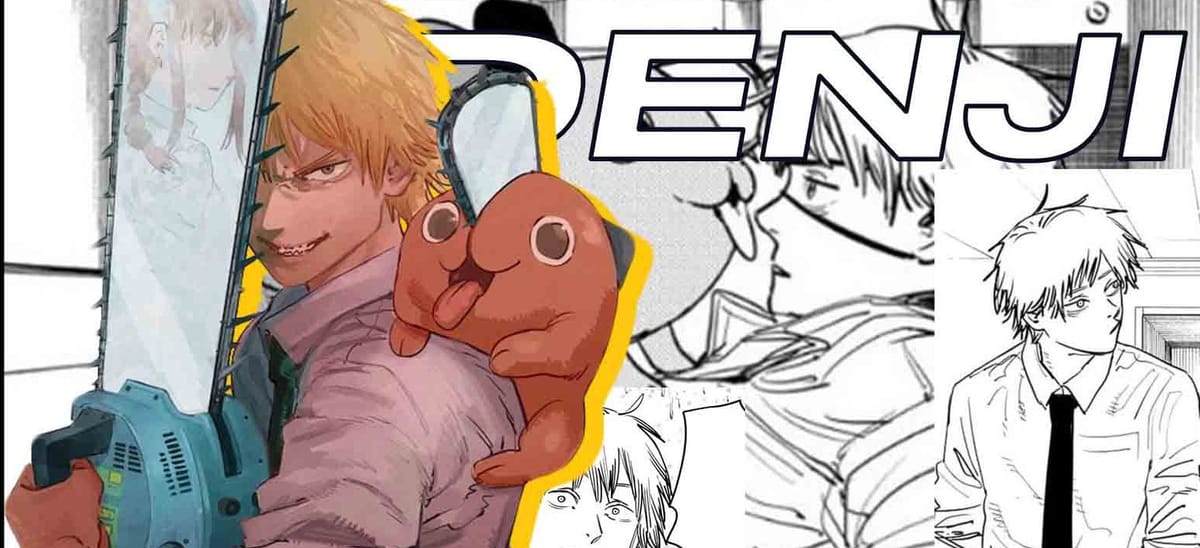
Even Chainsaw Man, which is built on chaos and trauma, understands this. Denji isn’t overpowered the same way those others are, but emotionally? He’s one of the most OP protagonists out there. Every time he says what he wants—comfort, affection, a chance to make his own choices—it’s shocking how refreshing it feels. Not because the dream is big, but because he doesn’t apologize for wanting it.
That’s the hook. Not strength, but agency.
OP characters give us a glimpse of how we wish we could move through the world—unhindered, unembarrassed, unafraid to take up space. They answer the quiet frustration adults walk around with: the meetings that go nowhere, the rules that exist for no reason, the feeling that you could do so much more if someone would just stop getting in your way. Watching an OP protagonist isn’t about fantasizing that you could vaporize your boss or solve your problems with a dramatic power-up. It’s about remembering what it feels like to act decisively. Confidently. Without shrinking yourself to fit inside someone else’s expectations.
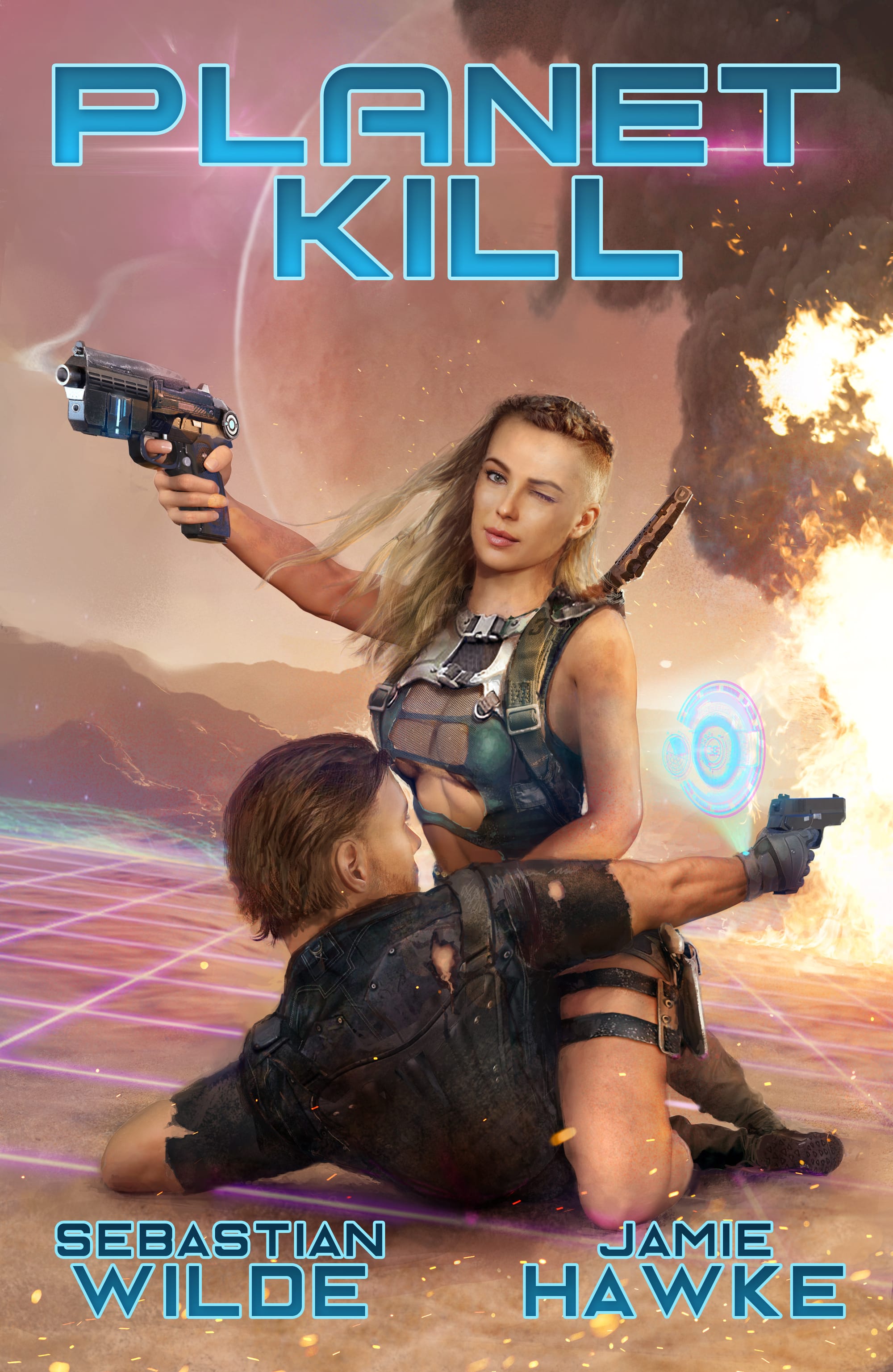
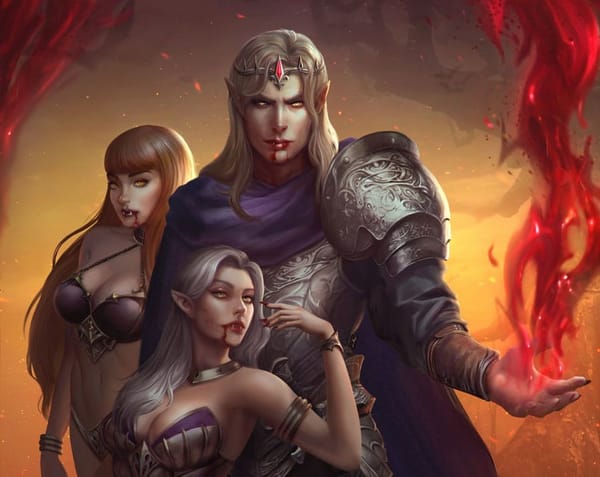
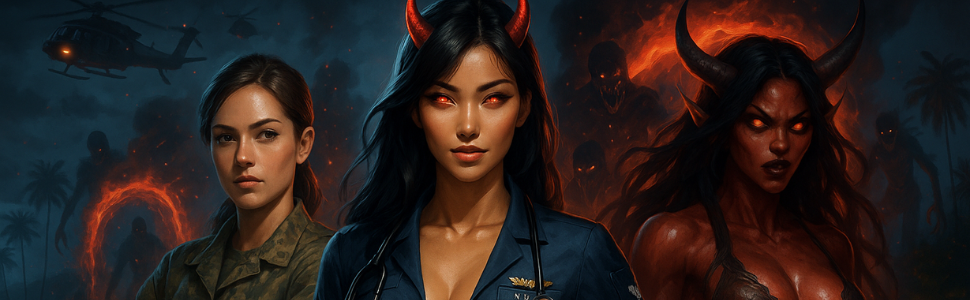
When I write my own characters, I follow that same instinct. In Monster Girl in My Closet, the MC steps into his power not because he’s destined for greatness, but because he finally stops letting the world talk over him. In Supers Ex Heroes, the ridiculous, high-heat chaos only works because the protagonist embraces the mess and moves forward anyway. In Devil Doc Demon Corps, the MC doesn’t gain strength from magic alone—he gains it by refusing to return to powerlessness, even when surrounded by yokai who could tear him apart or seduce him to death. And in Planet Kill, the whole journey is about flipping the script—going from reacting to everything to finally pushing back.
I love writing OP protagonists because they cut through bullshit the way we all wish we could. They don’t ask for permission. They don’t wait for approval. They know what they want, and they move toward it with the kind of clarity that wakes something up in the reader.
It’s not perfection that draws us in. It’s the freedom to stop apologizing for wanting more. That’s the real fantasy.
And it feels damn good.
Want to read more? Check out PLANET KILL on Audible, narrated by the Soundbooth Theater team.