The Psychology of the Seductive Villainess in Anime
The dangerous woman who smiles while threatening your life has become one of anime’s most magnetic archetypes.

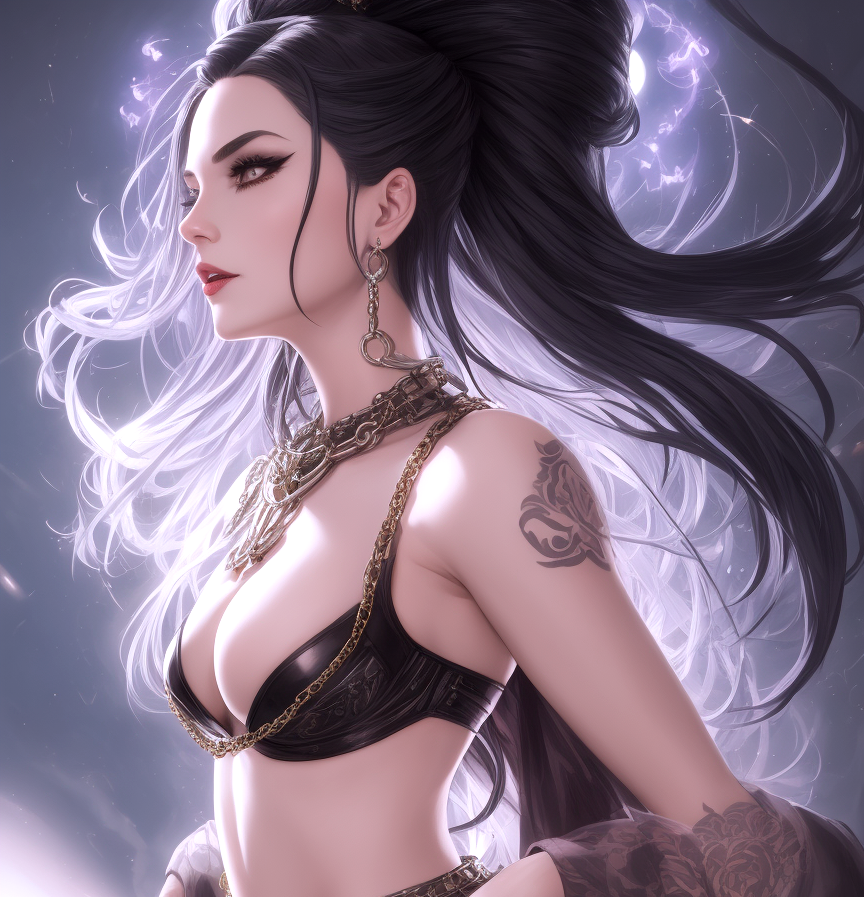
Anime loves the seductive villainess—Makima, Esdeath, Lust, Albedo, Kurumi, Bayonetta if we count game-adjacent. And fans don’t just like them; they obsess over them. The dangerous woman who smiles while threatening your life has become one of anime’s most magnetic archetypes.
But why?
It’s not just the design, the confidence, or the heat (though those don’t hurt). It’s the psychology.
A seductive villainess represents a specific emotional fantasy: a woman who sees you clearly and still chooses you—just not in a way that’s safe. Most “good girl” characters love the protagonist for wholesome reasons. Villainesses love them for darker, sharper ones.
The seductive villainess says: “I could kill you. But I’m giving you attention instead.”
That blend of danger and desire flips a switch in the viewer’s brain. It triggers the same instinct behind horror, romance, and thrillers: emotional intensity. You can’t ignore her. You can’t predict her. You can’t relax around her. She becomes an addiction.
And psychologically, villainesses often embody something deeper: power without apology. They don’t hide their intentions, their sexuality, or their ambitions. They want something, they pursue it, and they don’t soften themselves to be likable. That boldness resonates—especially in a culture that often punishes women (real and fictional) for wanting too much.
But the real reason seductive villainesses hit so hard is the emotional contradiction they embody:
- intimacy + danger
- attraction + fear
- comfort + cruelty
Humans are wired to be fascinated by contradictions, and the seductive villainess is the ultimate paradoxical character.
It’s not about wanting to be with her. It’s about being unable to look away.
Want a great example? Try METALICA (character name) from Supers Ex Heroes, but don't say I didn't warn ya! Free in Kindle Unlimited, so give it a try.